
Pollen arrives from outdoors. Pets shed microscopic material from skin and saliva as well as visible hair. Dust can carry these and other biological particles. Some remain airborne; many settle on floors, bedding and furniture before movement sends them back into the room.
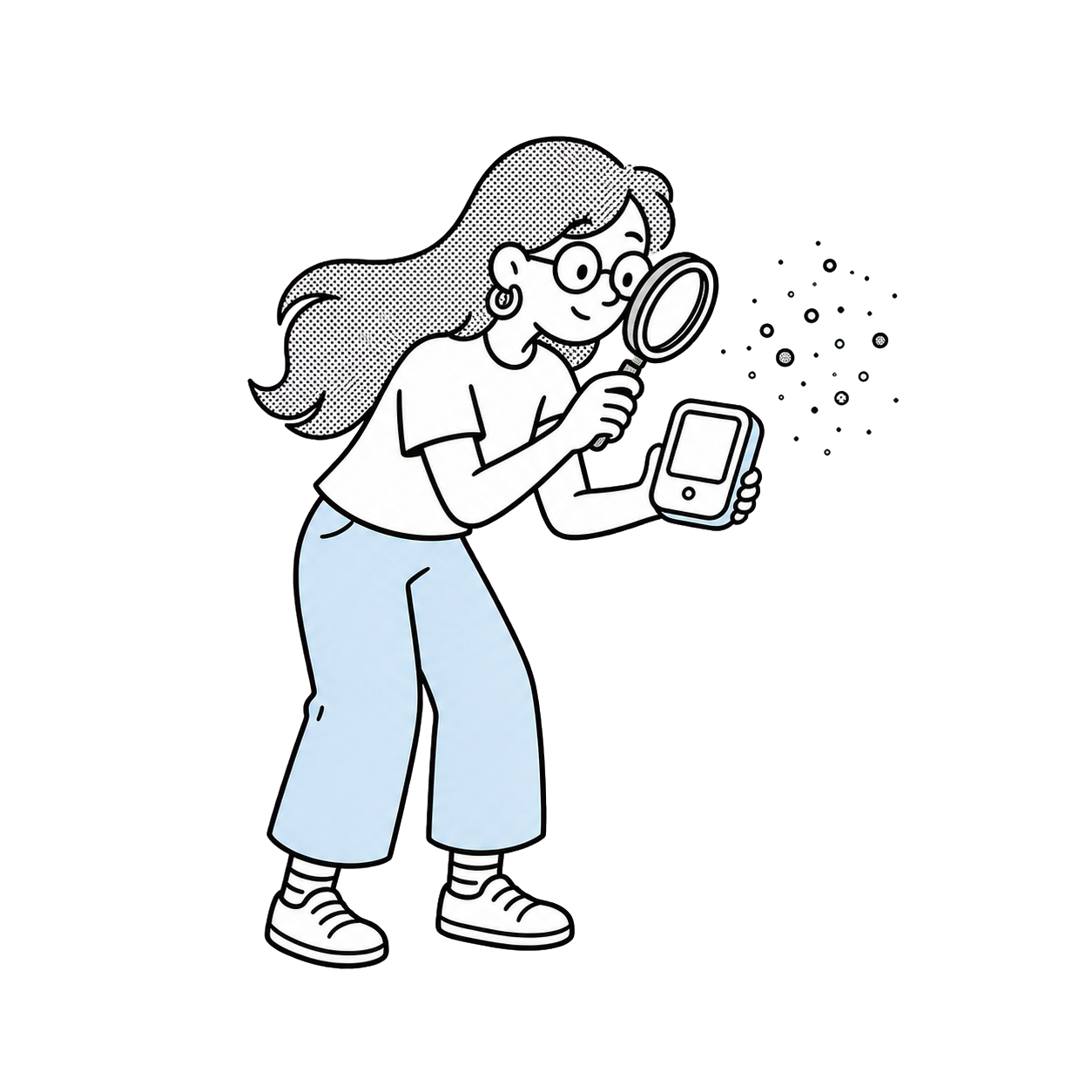
Pollen begins outdoors
Pollen can enter through open windows and doors, ventilation, clothing, hair and pets. On high-pollen days, changing clothes after returning home, keeping sleeping areas clean and choosing when to ventilate can reduce what accumulates indoors.
Pet dander is not pet hair
Pet allergens are proteins carried in dander, saliva and other biological material. They can attach to fine particles, fabrics and furnishings. Removing visible hair is useful, but it does not remove every airborne or settled allergen.
Keep pets out of the bedroom if sensitivity is a concern, wash pet bedding, clean the places where the animal spends time and discuss persistent symptoms with a qualified healthcare professional.
Clean without sending everything airborne
- 01Remove settled material.
Use damp dusting or a suitable vacuum rather than dry sweeping that throws dust back into the air.
- 02Wash fabrics.
Clean bedding, washable covers and pet textiles according to their care instructions.
- 03Control moisture.
High humidity can favour dust mites and mould. Track relative humidity and correct the cause of persistent dampness.
- 04Run filtration consistently.
Place a suitably sized purifier where the air concern and time spent are greatest, with its inlet and outlet clear.
What an air purifier can change
Particle filtration can reduce airborne material that reaches the purifier. Larger allergen-bearing particles often settle quickly, so a purifier cannot remove them until they are airborne and pass through the unit. That is why room cleaning and filtration are complementary.
Choose a purifier by clean-air delivery, room fit, operating noise and the maintenance you will actually perform. A sensor reading cannot identify pollen or pet dander as a specific substance.
Common questions
Allergen FAQ
Does a purifier mean I can stop cleaning?+
No. Much of the allergen load settles on surfaces. Cleaning removes settled material; filtration addresses airborne particles passing through the machine.
Is visible pet hair the main allergen?+
Not necessarily. Allergens can be carried in microscopic dander and saliva-derived material as well as on hair.
Where should I place a purifier?+
Start in the room where the sensitive person spends the most time. Give the inlet and outlet open space and follow the product’s room guidance.
Official guidance